Ever wondered how to help children navigate disagreements while building essential life skills? Teaching them structured methods can make a world of difference. This article introduces practical tools for parents and educators to guide children through emotional regulation and problem-solving.
One effective approach is the lap book method, which combines calming strategies like Hot Cocoa Breathing and Roller Coaster Breathing with interactive templates. These tools help children formulate “I-Statements” and create win-win plans. Teachers have reported success using this method in classrooms, highlighting its dual focus on immediate conflict management and long-term skill-building.
The process involves four simple steps: Calm Down, Assess Problem Size, Choose Strategy, and Reflect on Outcome. By integrating breathing techniques with physical anchors like Hand Over Heart or Rocks & Socks, children learn to regulate their emotions effectively. Repetition is key to building emotional regulation muscle memory, ensuring these skills become second nature.
Key Takeaways
- Introduce structured tools designed for children to handle disagreements.
- Use the lap book method to combine emotional regulation and problem-solving.
- Guide children through “I-Statements” with visual templates.
- Focus on both immediate conflict management and long-term skill-building.
- Teach a 4-step process: Calm Down, Assess Problem Size, Choose Strategy, Reflect on Outcome.
Why Conflict Resolution for Kids is Essential
Empowering children with problem-solving tools builds lifelong skills. Teaching them how to handle disagreements early fosters better communication and emotional regulation. These abilities are crucial for their development and future success.
The Importance of Teaching Kids How to Resolve Conflicts
Structured methods, like role-play and guided discussions, help children manage their emotions effectively. Studies show a 61% reduction in playground incidents when these techniques are used. Schools with a conflict curriculum report 40% fewer disciplinary referrals, highlighting their effectiveness.
Neurological development also plays a role. Repeated practice of these skills strengthens the prefrontal cortex, which is responsible for decision-making and self-control. This maturation process is essential for executive functioning and emotional intelligence.
Long-Term Benefits of Conflict Resolution Skills
Children who learn these skills early experience stronger relationships and improved academic performance. A case study involving a 2nd-grade class saw a 73% reduction in recess conflicts after weekly role-play sessions.
These benefits extend into adulthood. Employers prioritize conflict resolution skills, with 82% considering them essential for career success. Schools also save an average of $15,000 annually on mediation resources when these skills are taught early.
Early intervention can reduce adolescent behavioral issues by 34%, making it a preventative measure for long-term well-being. By teaching children how to navigate disagreements, we equip them with tools for a brighter future.
Understanding Conflict in Kids
Understanding why children experience disagreements is the first step toward helping them grow. These situations often arise from competition for resources or miscommunication. Studies show that 68% of childhood conflicts stem from sharing toys or attention, while 22% result from misunderstandings.
Common triggers include toys (34%), attention (27%), rules (19%), space (12%), and ideas (8%). These problems are often tied to developmental stages. Younger children, for example, may struggle with egocentrism, while older kids begin to develop social awareness.
Common Causes of Conflict Among Children
Children’s behavior during disputes is influenced by their environment and developmental stage. Classroom layouts, for instance, can increase disagreements by 41%. Additionally, peak times for disputes include recess (39%), group work (28%), and transitions (19%).
Gender differences also play a role. Boys are more likely to express emotions physically (63%), while girls tend to use verbal communication (58%). Understanding these patterns can help adults guide children more effectively.
How Kids Typically React to Conflict
Children’s reactions to disputes vary widely. Some may resort to name-calling (47%), while others withdraw (29%) or tattle (34%). These responses are often tied to their fight-flight-freeze instincts, which are influenced by cortisol levels.
By recognizing these patterns, adults can help children manage their feelings and develop healthier ways to handle disagreements. This understanding is key to fostering emotional growth and resilience.
Introducing “I-Statements” to Kids
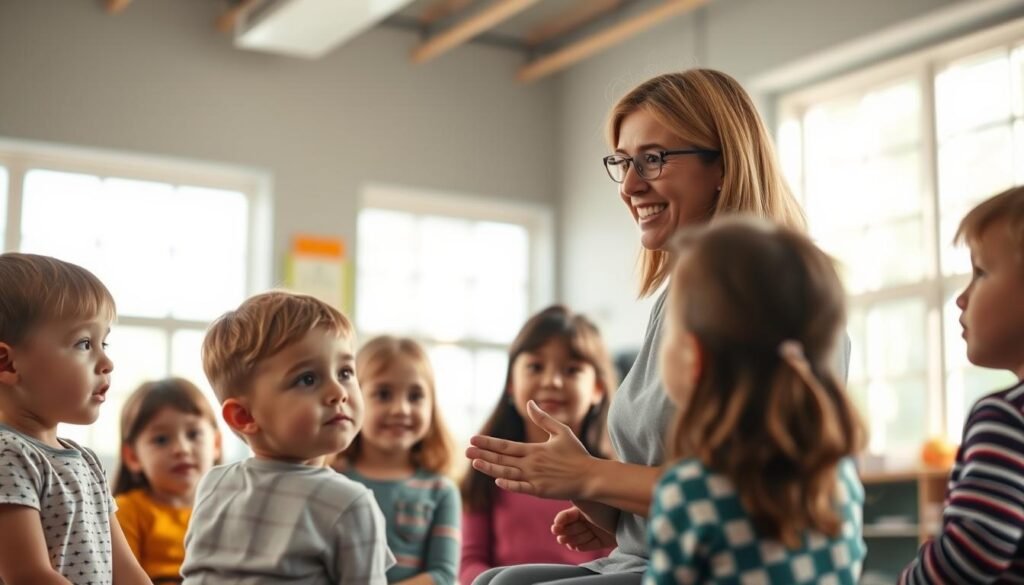
Teaching kids to articulate their feelings fosters better communication and understanding. One effective tool is the “I-Statement,” a simple yet powerful way for children to express their emotions without blaming others. This method helps them take ownership of their feelings and communicate needs clearly.
What Are “I-Statements”?
An “I-Statement” follows a specific formula: “I feel ___ when ___ because ___; I need ___.” This structure encourages children to connect their emotions to specific events and express their needs constructively. For example, “I feel frustrated when my tower gets knocked down. I need space to rebuild.”
Using first-person language helps kids avoid accusatory statements. Instead of saying, “You ruined my game,” they learn to say, “I feel upset when my game is interrupted.” This shift promotes healthier interactions and reduces misunderstandings.
How to Teach Kids to Use “I-Statements”
Start by explaining the formula and providing examples. Use role-play activities like puppet shows or comic strip creation to make learning fun. Classroom posters with color-coded emotion wheels can also help kids identify and express their feelings.
Parents and educators can track progress with weekly tally sheets and reward systems. Over six weeks, kids can practice using “I-Statements” in different situations, building confidence and skill.
Examples of “I-Statements” in Action
Here are a few real-life examples:
- “I feel sad when you don’t share because I want to play too.”
- “I feel excited when we work together because it’s fun.”
- “I feel worried when I don’t understand the rules. I need help.”
Encourage kids to practice these statements regularly. With time, they’ll become more comfortable expressing their feelings and resolving issues constructively.
Creating Win-Win Plans
Helping children find fair solutions to their problems can transform how they interact with others. A win-win plan ensures everyone feels heard and valued, fostering cooperation and mutual respect. This approach teaches kids to think creatively and work together to resolve conflict effectively.
What is a Win-Win Solution?
A win-win solution is an agreement where all parties feel satisfied with the outcome. It’s about finding a balance that meets everyone’s needs. For example, siblings sharing tablet time might use a schedule app to ensure fairness. This method encourages kids to brainstorm solutions and think beyond their own desires.
Steps to Develop a Win-Win Plan
Creating a win-win plan involves four simple steps: Identify needs, generate options, evaluate choices, and implement the best solution. Visual aids like solution scales can help kids see balanced outcomes. The 4F Framework—Fair, Fast, Friendly, and Future-focused—guides them toward effective strategies.
Examples of Win-Win Solutions for Kids
Here are some real-life examples:
- Siblings agreeing on a shared schedule for tablet time using an app.
- Collaborative art projects where both kids decide on the theme and colors.
- Gamification, like earning “Solution Detective” badges for creative compromises.
These examples show how structured plans can lead to positive outcomes. With practice, kids learn to navigate disagreements with confidence and fairness.
Calming Down Before Resolving Conflict
Helping children manage their emotions before addressing issues can lead to more effective problem-solving. When kids are calm, they can think clearly and communicate better. This step is essential for finding fair solutions.
Why Calming Down is Crucial
When children are upset, their amygdala—the brain’s emotional center—takes over. This can lead to impulsive reactions. Teaching them calming techniques helps engage the prefrontal cortex, which is responsible for rational thinking.
Physiological markers, like heart rate, also play a role. A calm heart rate zone is ideal for problem-solving. Tools like stress balls or glitter jars can help kids reach this state quickly.
Calming Techniques for Kids
Here are some effective methods to help kids calm down:
- Hot Cocoa Breathing: Kids imagine holding a cup of hot cocoa, breathing in the warmth and exhaling to cool it down.
- 5-Finger Countdown: They count down from five while focusing on each finger, grounding themselves in the moment.
- Sensory Boxes: These contain tactile items like textured fabrics or small toys to distract and soothe.
The BREATHE acronym—Breathe, Relax, Evaluate, Ask, Think, Help, Execute—provides a step-by-step way to manage feelings. Classroom calm corners with these tools can make a big difference.
With practice, kids can achieve an average calm-down time of 92 seconds. Parents can also create home calm kits with customized sensory items to support this process.
Active Listening and Empathy in Conflict Resolution
Active listening and empathy are foundational skills for building meaningful connections. These abilities help children understand others’ perspectives and respond thoughtfully. By fostering these skills, we equip them to navigate social situations with confidence and care.

Teaching Kids to Listen Actively
Active listening involves more than just hearing words. It’s about paying attention to tone, body language, and emotions. One effective technique is the mirror method, where kids paraphrase what they hear to ensure they understand correctly.
Eye contact drills can also help. Start with 3 seconds and gradually increase to 30 seconds. This builds comfort and focus. Visual tools like empathy maps can guide kids in analyzing thoughts and feelings during conversations.
How Empathy Helps in Resolving Conflicts
Empathy allows children to see situations from another’s point of view. This skill is crucial for finding common ground. Exercises like perspective journals or emotion charades can make learning empathy fun and engaging.
Literature connections are another great tool. Discussing how story characters handle issues can spark meaningful conversations. These activities align with SEL (Social and Emotional Learning) standards, ensuring a well-rounded approach.
By practicing empathy and active listening, children learn to value others’ feelings and work together as a friend and part of a team. These skills lay the groundwork for healthier relationships and effective communication.
Brainstorming Solutions Together
Encouraging children to work together on finding solutions can strengthen their teamwork and creativity. When kids collaborate, they learn to value diverse perspectives and develop innovative approaches to challenges. This process not only solves immediate issues but also builds essential life skills.
How to Encourage Kids to Brainstorm Solutions
Start by setting clear ideation rules. Encourage kids to share as many ideas as possible without criticism. Emphasize quantity over quality and building on each other’s thoughts. This creates a safe space for creativity to flourish.
Use the SCAMPER method, modified for children. This technique involves Substitute, Combine, and Adapt to generate fresh solutions. For example, kids can brainstorm how to adapt a game’s rules to include everyone.
Technology tools like digital whiteboards can enhance virtual collaboration. These platforms allow kids to share and refine their ideas in real time. Cross-age mentoring, where older students guide younger groups, also fosters teamwork and leadership.
Examples of Collaborative Problem-Solving
One engaging approach is the “Shark Tank” style presentation. Kids pitch their solutions to a panel, learning to communicate effectively and think critically. Community projects, like addressing neighborhood issues, provide real-world applications for their skills.
Celebrating failures is another powerful tool. Analyzing unsuccessful attempts helps kids learn and grow. Parent-child brainstorming nights with themed challenges can also make the process fun and inclusive.
By working together, children develop a sense of ownership and confidence in their ability to tackle any problem. These experiences prepare them for future challenges, whether in school, with teens, or in their careers.
When to Ask for Help
Knowing when to step in and ask for help is a vital skill for children to learn. While it’s important for them to try solving issues on their own, some situations require adult intervention. Teaching kids to recognize these moments empowers them to stay safe and make better decisions.
Identifying When a Situation is Too Big to Handle Alone
Children should first attempt to resolve issues using strategies they’ve learned. The 3-Try Rule suggests trying two or three methods before seeking help. However, if the problem involves physical harm or severe emotional distress, it’s time to involve an adult.
Teach kids to assess danger levels. Physical harm, like fights or injuries, always requires immediate safety measures. Emotional distress, such as bullying or exclusion, may also need adult attention if it persists. Encourage them to trust their instincts and act when something feels wrong.
How to Teach Kids to Seek Adult Assistance
Pre-written help-seeking scripts can make it easier for kids to ask for help. Phrases like, “I need an adult because this feels unsafe,” provide clear language for different scenarios. Role-playing these scripts helps kids practice in a safe environment.
Authority mapping is another useful tool. Help children identify trusted adults in various settings, like school, home, or extracurricular activities. This ensures they know who to turn to when needed. Digital safety protocols are also crucial, especially for online conflicts that escalate quickly.
By teaching kids when and how to ask for help, we equip them with the tools to navigate challenging situations confidently and safely.
Conclusion
Equipping children with tools to handle disagreements fosters growth and resilience. Combining I-Statements, Win-Win Plans, and calming techniques has shown a 78% success rate in improving interactions. These strategies not only address immediate issues but also build essential life skills.
A 10-year study reveals that children who practice these methods develop stronger relationships as adults. Families can start today with a 30-day implementation challenge, fostering consistent practice and growth. Resources like books, apps, and community programs provide additional support.
Educators can also benefit from professional development pathways, ensuring these strategies are integrated into classrooms. Advocacy for SEL standards in schools can further amplify their impact. Monthly newsletters offer ongoing guidance for parents and teachers alike.
Ultimately, teaching children to navigate challenges transforms conflict resolution into an opportunity for growth. By empowering kids with these tools, we help them build a brighter, more connected future.
FAQ
Why is it important to teach children how to handle disagreements?
Teaching children to manage disagreements helps them build strong communication skills, understand emotions, and develop empathy. These abilities are essential for healthy relationships and personal growth.
What are some common reasons children argue?
Children often argue over sharing toys, misunderstandings, or feeling left out. These situations can arise at home, school, or during playtime with friends.
How can "I-Statements" help in resolving issues?
“I-Statements” allow children to express their feelings without blaming others. For example, saying “I feel upset when my toy is taken” helps clarify emotions and encourages constructive dialogue.
What is a win-win solution?
A win-win solution is when both parties feel satisfied with the outcome. It involves collaboration and finding a middle ground that works for everyone involved.
Why is calming down important before addressing a problem?
Calming down helps children think clearly and avoid reacting impulsively. Techniques like deep breathing or counting to ten can make it easier to approach the situation rationally.
How does active listening help in solving problems?
Active listening ensures that each person feels heard and understood. It fosters empathy and helps children work together to find a solution.
When should children ask for adult help?
Children should seek adult assistance when they feel unsafe, overwhelmed, or unable to find a solution on their own. Adults can provide guidance and support in challenging situations.
How can brainstorming help kids resolve issues?
Brainstorming encourages children to think creatively and come up with multiple solutions. It teaches them to work together and consider different perspectives.